Beginner Guide to Regrowing Scallions from Kitchen Scraps on a Balcony
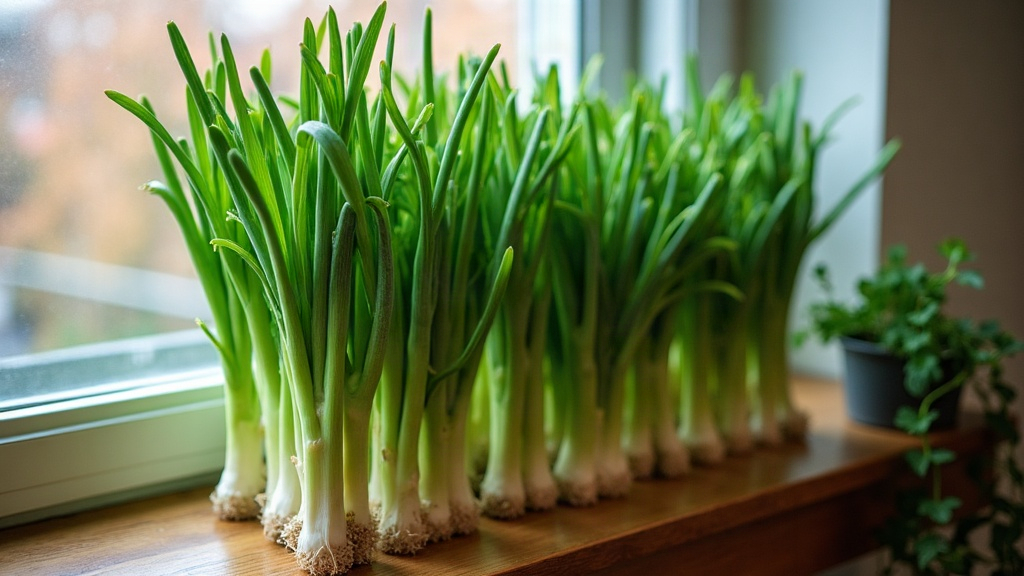
If you’ve ever tossed the white root ends of scallions straight into the trash, congratulations: you’ve been throwing away a free, endless supply of green onions without even realizing it. Regrowing scallions from kitchen scraps on a balcony is about as easy as gardening gets. All you need is a cup of water, a sunny windowsill or balcony ledge, and maybe five minutes of actual effort. Below is a full walkthrough, from saving the right scraps to pulling your first homegrown bunch.
Why Scallions Are the Perfect Beginner Project
Scallions (green onions, spring onions, whatever you want to call them) regrow from their root base because that part stays alive even after you’ve chopped off the green stalks for dinner. No seeds. No soil prep. No special gear. That’s what makes them such a great starting point for:
- First-time gardeners who want a fast, satisfying win
- Renters stuck with just a balcony or a windowsill
- Anyone trying to cut food waste or stretch a grocery budget
- Kids who are curious about where vegetables actually come from
What You Need
- Scallion scraps with the roots still attached (roughly 1-2 inches of white base)
- A small glass, jar, or cup
- Fresh water
- A sunny spot, a balcony railing, a windowsill, or a table that gets at least 4-6 hours of light
- Optional: a small pot with potting soil if you want this to go beyond a one-time trick
Step-by-Step: Regrowing Scallions in Water
1. Save the Right Part
Next time you’re prepping scallions for a stir-fry or garnish, cut the green stalks about 1-2 inches above the white base. Leave the root end alone, that hairy, fibrous bit at the bottom is exactly where the new growth starts.
2. Place in Water
Stand the root ends upright in your glass or jar, roots pointing down. Pour in just enough water to cover the roots, but keep the cut tops above the waterline.
3. Find a Sunny Spot
Set the glass somewhere bright, your balcony, a windowsill, wherever it’ll catch indirect light for a good chunk of the day. Scallions can handle partial shade, sure, but they shoot up noticeably faster with real light.
4. Change the Water Regularly
Swap the water every 1-2 days. Skip this step and you’ll get cloudy, smelly water fast, which slows everything down. Fresh, oxygenated water keeps the roots in good shape and speeds up regrowth.
5. Watch Them Grow
Give it 24-48 hours and you’ll spot tiny green shoots poking up from the center. By day 5 or 7, the stalks are usually long enough for a light first harvest, maybe a snip’s worth for a garnish or two.
Moving to Soil for Longer Harvests
Water works fine for a quick, one-off harvest, but if you want scallions that keep producing week after week, soil is the way to go. Once you see solid root and shoot growth in the glass, make the switch:
- Grab a small pot (even a repurposed yogurt tub with drainage holes drilled in works) and fill it with potting soil.
- Plant the scallion base about an inch deep, roots facing down.
- Water lightly and set it in your sunniest balcony corner.
- Keep the soil moist, not soggy, think “damp sponge,” not “swamp.”
Soil-grown scallions can be harvested over and over for weeks, sometimes months, as long as you always leave the roots and about an inch of white base behind each time you cut.
Harvesting Tips
- Snip only what you need from the green tops, leaving 1-2 inches of white base and the roots untouched.
- Harvest the outer stalks first so the center keeps pumping out new growth.
- Don’t cut below the soil line or mess with the root ball, that’s the engine keeping everything alive.
Common Problems and Fixes
Slimy or smelly water. Change the water more often (daily if it’s bad) and trim off any mushy, rotten-looking root tissue.
Slow or no growth. Move the glass to a brighter spot. Scallions need actual light, not the dim corner behind your couch.
Yellowing tops. Usually a sign of too little light, or water that’s sat too long without a change.
Weak regrowth after a few harvests. Scallions kept in water alone eventually run out of steam. That’s your cue to transplant into soil for a longer run.
How Long Does Regrowth Last?
In water alone, expect maybe 1-3 solid harvests before the roots start giving out. In soil, with decent light and watering, you can realistically keep a scallion plant producing for 2-3 months, sometimes longer on a balcony that gets consistent sun throughout the day.
Conclusion
Regrowing scallions from scraps might be the simplest, most satisfying way to dip a toe into balcony gardening. A jar of water, a sunny ledge, and root ends you’d otherwise toss in the bin, that’s the whole setup, and it rewards you with weeks of fresh green onions for basically nothing. Once you’ve got the hang of it, you’ll probably find yourself eyeing the celery and lettuce scraps next, wondering what else on your balcony could grow from what used to be trash.