Why Balcony Tomato Leaves Curl Downward Without Yellowing
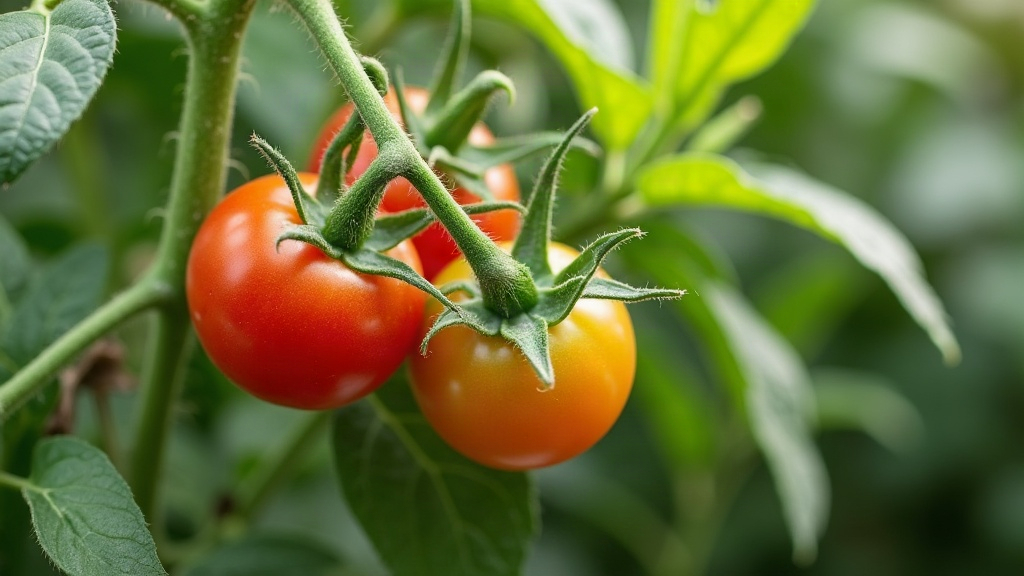
If your balcony tomato’s leaves are curling down like little canoes but they’re still green and otherwise healthy, no yellow patches, no spots, you’re probably looking at physiological leaf curl. That’s a fancy way of saying the plant is stressed, not sick. The upside? This kind of curling almost never cuts into your harvest, and most of the time you can fix it just by tweaking how you water, how much sun the pot gets, and how you prune.
What Downward Curling Without Yellowing Actually Means
Tomato leaves curl for all sorts of reasons. But when the leaf stays green and rolls along the midrib, almost like it’s forming a little tube, that’s nearly always an environmental reaction rather than a pathogen or a nutrient problem. If disease were behind it, you’d usually also notice:
- Yellow or brown blotches
- Mottled or mosaic patterns
- Stunted new growth
- Sticky residue or visible bugs
None of that showing up? Good. Your plant is just protecting itself.
Common Causes on Balconies
1. Heat and Intense Sun Exposure
Balconies hold heat like an oven, especially next to walls or railings that bounce sunlight right back at the pot. Once temperatures push past 85°F (29°C), tomato plants curl their leaves inward to shrink their surface area and cut water loss through transpiration. Honestly, this is the number one reason balcony tomatoes curl, especially pots parked against south- or west-facing walls where afternoon sun hits hardest.
Fix: Pull the pot a few inches away from any heat-radiating surface, or rig up some afternoon shade with a shade cloth (30-40% shade rating does the trick) during the worst heat of the day.
2. Inconsistent Watering in Containers
Pots dry out way faster than garden beds, sometimes within a single hot afternoon. If your tomato swings from bone-dry to drenched over and over, it curls its leaves as a defense mechanism, often before you even see wilting.
Fix: Stick a finger 2 inches into the soil daily to check moisture. Water deeply once the top 1-2 inches feel dry, and make sure water actually runs out the drainage holes at the bottom. A self-watering container helps a lot here, or just mulch the surface with straw to slow evaporation.
3. Root Restriction
A lot of balcony tomatoes are stuck in pots too small for the root system they’re trying to grow. Cramped roots can’t keep up with water demand during the hottest hours, and curling follows.
Fix: Go with at least a 5-gallon (19L) pot for determinate varieties, and 10 gallons (38L) or bigger for indeterminate ones. If you tip the pot and see roots circling at the bottom, that’s your sign to upgrade.
4. Aggressive Pruning
Cut off a bunch of suckers or lower leaves recently? The plant redirects its growth hormones (auxins), and the remaining leaves can curl for a bit as a side effect. It’s harmless and usually sorts itself out within a week.
Fix: Just wait it out. Going forward, try not to remove more than 20-25% of the foliage in one go.
5. Genetic Leaf Roll
Some varieties, beefsteak tomatoes in particular, just roll their leaves no matter how well you treat them. It’s baked into the genetics, not a sign you’re doing anything wrong.
Fix: Nothing to fix. Check whether the curling shows up consistently on the older, lower leaves only, that pattern points straight to a varietal trait.
How to Tell It’s Not Something Worse
Before you relax completely, rule out these look-alikes:
- Tomato yellow leaf curl virus (TYLCV): brings yellowing edges and stunted growth. Not present here.
- Herbicide drift: twists and distorts new growth, often with discoloration thrown in.
- Aphid or whitefly damage: leaves curl, sure, but you’ll also spot bugs or sticky honeydew residue underneath.
If none of that matches and your plant keeps flowering and setting fruit normally, the curling is purely cosmetic.
When to Actually Worry
Dig deeper if the curling shows up alongside:
- New growth that looks twisted or almost thread-thin
- Overall stunted height despite solid care
- Fruit that just stops developing
Otherwise, give it 7-10 days after you fix watering and sun exposure. Most balcony tomatoes snap right back once the stress is gone.
Conclusion
Downward-curling leaves without any yellowing almost always point to heat or water stress, not disease, and that’s especially true in the hot, reflective microclimate of a balcony. Smooth out your watering routine, give the plant some breathing room away from walls and railings, and make sure the pot isn’t too small. Do that, and the leaves should flatten out again within a few days. As long as fruit keeps coming and you don’t see yellowing or pests, there’s really nothing to worry about here.