Preventing Leaf Scorch on Potted Hydrangeas During Heatwaves
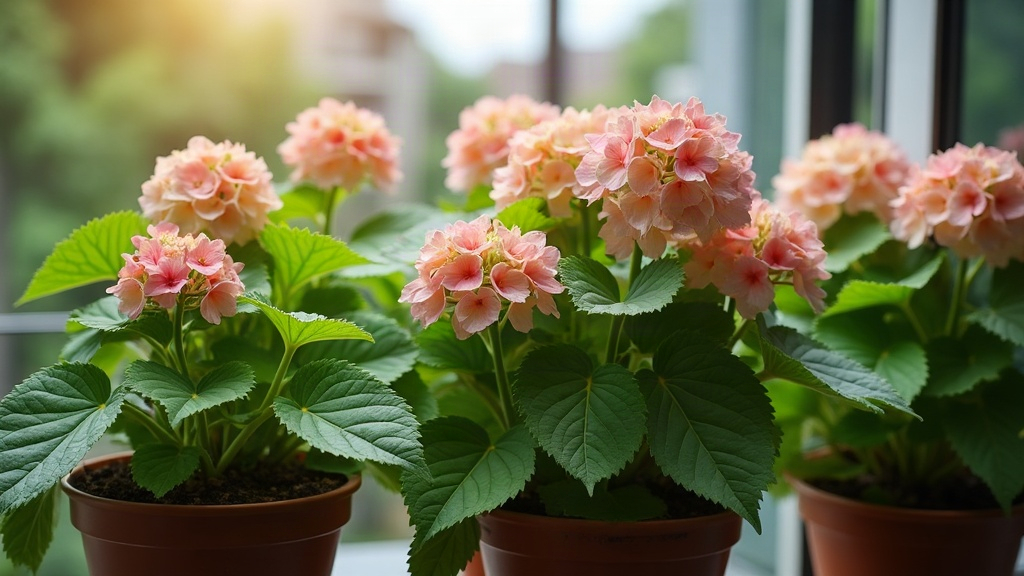
Leaf scorch on potted hydrangeas comes down to a simple math problem: the roots can’t pull up water fast enough to replace what’s evaporating out of the leaves. The result is crispy brown edges, curled foliage, and a plant that looks tired by 2pm even when you watered it that morning. In cities the problem gets worse fast, because concrete, asphalt, and brick hold onto heat long after the sun goes down, pots heat up quicker than garden soil ever would, and sunlight bouncing off glass and brick walls adds a second dose of intensity the plant wasn’t built to handle. The good news is that with the right watering routine, smarter placement, and a handful of protective tricks, you can keep potted hydrangeas full and green even through a nasty urban heatwave.
Why Potted Hydrangeas Scorch Faster Than Garden Ones
A container holds a fraction of the soil volume of an in-ground bed. That means less of a water reserve, and on a 95°F+ (35°C+) day, a pot can go bone dry in a matter of hours. Hydrangeas don’t help themselves here either: their leaves are large, thin, and lose moisture fast through transpiration. Now stack on the usual city conditions:
- Heat-reflective surfaces (pavement, walls, railings)
- Black or dark-colored pots that soak up heat and hold it
- Limited airflow on balconies and in the gaps between buildings
- Urban heat island effect, where city temperatures can run 5-10°F higher than the surrounding countryside
Put all that together and you’ve basically built a slow oven for your hydrangea’s roots. By early afternoon, don’t be surprised if the leaves look droopy and scorched.
Signs of Heat Stress Before Scorch Sets In
Catch the stress early and you can usually stop permanent damage before it starts:
- Leaves wilting hard at midday but bouncing back by evening (this is normal, nothing to panic about)
- Leaves still drooping after dark (this one’s serious, it means the roots genuinely can’t keep up)
- Brown, papery patches along the leaf edges or in between the veins
- Flower heads drooping or browning earlier than they should
7 Ways to Prevent Leaf Scorch
1. Water Deeply, Twice a Day If Needed
During a heatwave, check the soil every morning and again in the early evening. Water until it’s running freely out the drainage holes, a quick splash on the surface does basically nothing. A layer of bark chips or straw mulch on top of the soil slows evaporation and buys you some margin.
2. Move Pots Out of Afternoon Sun
Hydrangeas do best with morning sun and shade in the afternoon. Reposition the pot so it only catches direct light before about 11am, then shift it (or block it with furniture, an umbrella, a trellis, whatever’s handy) during that brutal 1-5pm window.
3. Switch to Light-Colored, Insulated Containers
Terracotta and dark plastic pots are basically heat magnets, they absorb sun and cook the roots inside. Glazed ceramic, light-colored resin, or a double-walled planter will insulate the root zone much better.
4. Elevate Pots Off Hot Pavement
A set of pot feet or even a scrap wooden platform, lifting the container just an inch or two off concrete or asphalt, can drop the root-zone temperature by several degrees. Small move, real difference.
5. Install Temporary Shade Cloth
Drape a 30-50% shade cloth over a basic frame on the worst heatwave days. It cuts the light intensity without plunging the plant into total darkness. Take it down once the heat breaks.
6. Group Pots Together
Clustering containers together raises the humidity around the foliage and lets neighboring pots shade each other’s soil, which cuts down on overall moisture loss. It’s a simple trick, and it works.
7. Mist Foliage in the Early Morning (Not Midday)
A light mist in the early morning cools the leaves down before the heat really kicks in. Skip the midday misting though, water droplets in full sun can act like tiny magnifying glasses and leave burn spots behind.
What to Do If Scorch Already Happened
Once a leaf is scorched, it’s not turning green again, but the plant itself can still bounce back:
- Cut off the badly damaged leaves so the plant’s energy goes toward new, healthy growth instead.
- Keep up a consistent watering schedule, don’t let drought stress pile on top of heat stress.
- Feed with diluted liquid seaweed or compost tea to help the roots recover.
- If scorch shows up every single summer, just move the pot somewhere shadier for good.
Long-Term Fixes for Hot Balconies and Patios
If your balcony or patio is simply too hot and reflective, no amount of babying is going to fix it. Worth considering instead:
- A retractable awning or shade sail over the growing area
- Switching to a heat-tolerant hydrangea like Hydrangea paniculata (Limelight, Little Lime), which shrugs off sun and heat far better than H. macrophylla
- Self-watering pots that keep soil moisture steady without you having to check twice a day
Conclusion
At its core, leaf scorch on potted hydrangeas is just a mismatch, water going out faster than it’s coming in, made worse by hot pavement and bounced-back sunlight. Water deeply and often, give the plant shade during peak heat, upgrade the pot if it’s working against you, and keep an eye out for early wilting. Do that and your hydrangeas can make it through even a rough city summer with their big blooms intact, instead of turning crispy and brown by August.