Diagnosing Magnesium Deficiency in Potted Citrus on a Balcony
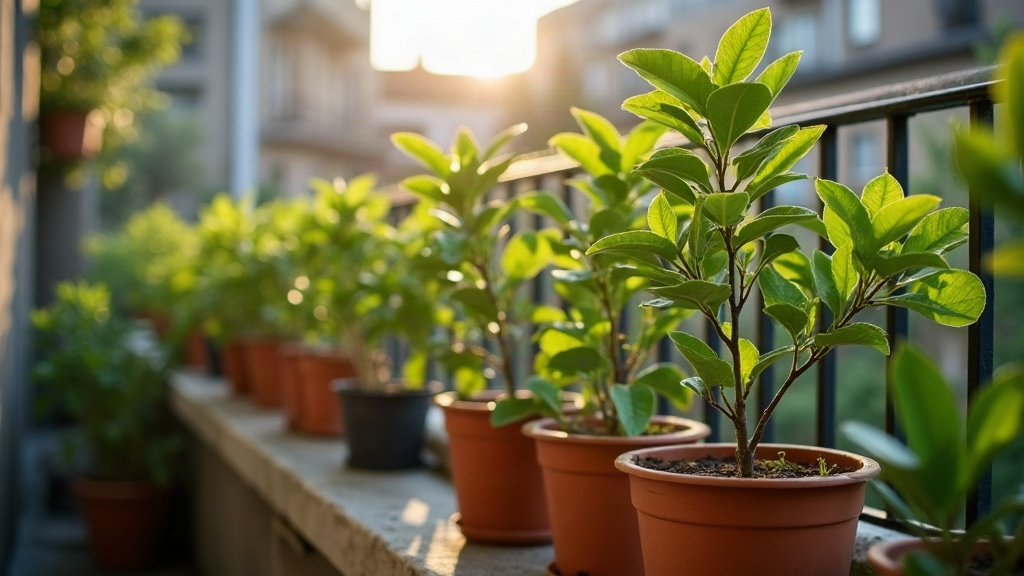
If your potted lemon, lime, or orange tree on the balcony has started showing yellow patches between the green veins, especially on the older leaves near the trunk, you’re almost certainly dealing with magnesium deficiency. It’s one of the most common nutrient problems in container-grown citrus, and honestly, it’s one of the easiest to fix once you know what you’re looking at. The tricky part is that people often mistake it for something else and end up dosing their tree with the wrong supplement. So let’s get the diagnosis right first.
What Magnesium Deficiency Actually Looks Like
Magnesium moves around inside the plant. When supply runs low, the tree pulls it out of older leaves and redirects it to new growth, which is why the pattern is so recognizable once you’ve seen it a couple of times:
- The oldest leaves yellow first (the ones closer to the trunk or base), while the new growth at the branch tips still looks fine.
- Veins stay green while the tissue between them fades to yellow. This is interveinal chlorosis, and it’s the single biggest clue.
- In more advanced cases, you’ll notice an inverted “V” or triangle of green hanging on at the base of the leaf near the stem, with yellow spreading out toward the tip.
- Badly deficient leaves sometimes pick up a bronze or reddish-purple tint right before they drop.
- Flowering and fruiting usually keep going fine early on, but if the deficiency drags on, fruit size and sweetness both take a hit.
Why Balcony Citrus Is Especially Prone to This
Potted trees on balconies deal with a handful of stresses that ground-planted citrus simply doesn’t face, and together they make magnesium deficiency almost routine:
- Limited soil volume. A pot only holds so much nutrient reserve, and it runs out far faster than garden soil ever would.
- Frequent watering and drainage. In summer heat with direct sun, balcony pots often need water every 1-3 days. Every one of those waterings washes a little more magnesium (and potassium) right out the drainage holes.
- High-potassium fertilizers. A lot of citrus feeds are loaded with potassium to push fruiting, but excess potassium actually competes with magnesium at the root level. Feed too heavy on potassium and you can trigger the very deficiency you’re trying to avoid.
- Low light or wind stress. A balcony with partial shade or constant wind reduces root efficiency, which only compounds the uptake problem.
- Tap water pH. Hard, alkaline tap water, common in a lot of cities, can lock magnesium out of reach even when there’s plenty sitting in the soil.
Confirming It’s Magnesium, Not Something Else
Before you reach for the Epsom salt, rule out these look-alikes:
- Iron deficiency: yellowing shows up on new leaves first, with very fine, almost white veining. That’s basically the reverse of the magnesium pattern.
- Nitrogen deficiency: the whole leaf goes uniformly pale, veins and all, and it tends to hit older leaves too, so it can be confused at a glance.
- Overwatering or root stress: the yellowing looks blotchy and scattered, not a clean pattern, and it’s usually paired with wilting or mushy roots.
- Spider mites: fine yellow stippling plus webbing on the underside of the leaves. Grab a hand lens and check.
If what you’re seeing is clean green veins against yellow tissue, concentrated on the oldest leaves, magnesium deficiency is far and away the most likely explanation.
How to Fix It
Fast fix (foliar spray): Mix 1 tablespoon of Epsom salt (magnesium sulfate) per gallon of water, roughly 15g per 4 liters. Spray the leaves thoroughly, early morning or evening works best so you don’t scorch them under direct sun. Repeat every two weeks until the new growth comes in solid green.
Soil drench (longer-lasting): Dissolve 1-2 tablespoons of Epsom salt per gallon of water and pour it around the root zone once a month during the growing season, spring through early fall. This slowly tops up the reservoir in that limited pot of soil.
Ongoing prevention:
- Switch to a citrus fertilizer that actually lists magnesium (“Mg” on the label) instead of leaning on Epsom salt as your only source.
- Go easy on high-potassium bloom boosters, don’t overdo it.
- Refresh the pot with new citrus-specific potting mix once a year. Old soil quietly loses its micronutrients over time.
- If your tap water runs hard, switch in filtered or rainwater now and then to cut down on mineral lockout.
What to Expect After Treatment
The yellow leaves you already have won’t turn green again, that damage is done. But give it 3-4 weeks of consistent treatment and you should start seeing healthy green growth coming in. If the yellowing keeps spreading to new leaves even after Epsom salt treatment, go back and check root health, or test your soil pH (citrus wants 6.0-6.5). In soil that’s too alkaline, magnesium can technically be present and still be totally unavailable to the roots, which is a frustrating trap to fall into.
Conclusion
Magnesium deficiency in balcony citrus is common, it’s visually unmistakable once you know the pattern, and it’s genuinely easy to fix. Look for interveinal yellowing on the older leaves with the veins still green, rule out iron deficiency and pests, then treat with an Epsom salt foliar spray or soil drench. Keep it up with a balanced, magnesium-inclusive citrus fertilizer and sensible watering habits, and your tree should sail through the next growing season without a hitch.