Grow Bags vs Pots for Root Vegetables on a Balcony
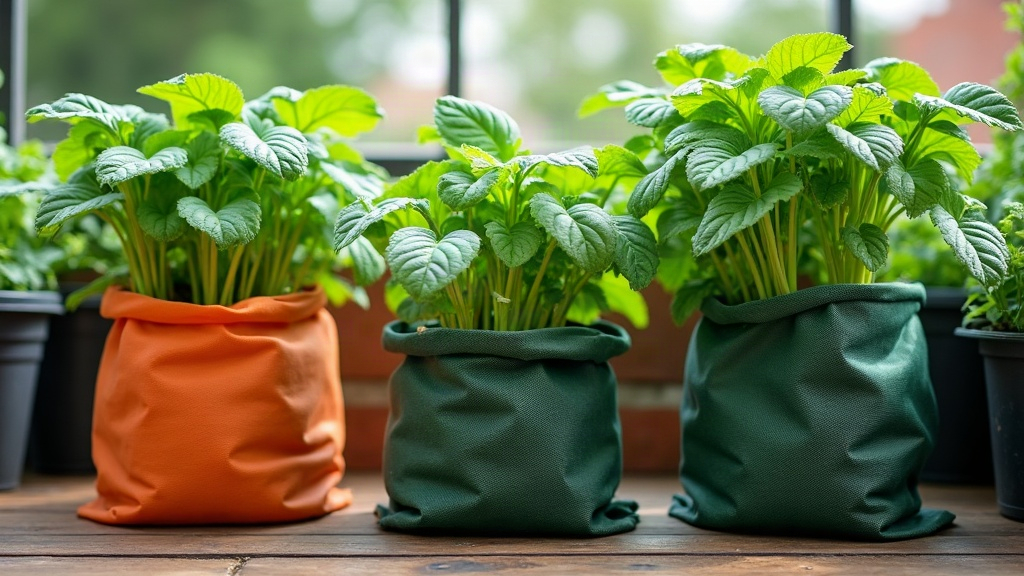
Grow Bags vs. Rigid Pots for Root Vegetables on a Balcony
If you’re growing carrots, potatoes, radishes, or beets on a balcony, the container you pick matters almost as much as the soil mix you use. Between fabric grow bags and rigid plastic pots, grow bags tend to win for root vegetables. Better drainage, air pruning, easier harvesting. Rigid pots win where stability, moisture retention, and reusability matter more. Which one actually suits you depends on your climate, how often you remember to water, and how much balcony floor space you’re willing to give up.
Why Container Choice Matters for Root Vegetables
Root vegetables grow downward, pushing through soil as they bulk up, so they need loose, well-aerated conditions to form straight, unobstructed roots. Compacted or waterlogged soil is what gives you forked carrots, stunted beets, and potatoes that rot before you ever dig them up. On a balcony, where pots usually sit directly on concrete or tile with almost no airflow underneath, drainage becomes even more of a make-or-break factor than it would be in a regular garden bed.
Grow Bags: The Case For
Pros:
- Superior drainage. Fabric breathes on every side, which stops the waterlogging that’s so common when pots sit flush against a balcony floor.
- Air pruning. Roots that hit the fabric wall simply stop growing instead of circling endlessly inside the container. Less root-bound stress, healthier root mass overall. This matters a lot for potatoes and carrots.
- Easy harvest. With potatoes especially, you just tip the whole bag over a tarp. No digging, no accidentally slicing a tuber in half with a trowel.
- Lightweight and foldable. On a tiny balcony where every square foot counts in winter, being able to fold a bag flat and tuck it away is a genuine perk.
- Better soil temperature regulation. Breathable fabric keeps roots from cooking under direct summer sun, which is a real problem with dark plastic pots baking on a south-facing balcony.
Cons:
- Dries out fast. In hot weather you might be watering daily, sometimes even twice.
- Less sturdy. An unweighted bag can tip over in a gust of wind.
- Fabric breaks down after about 2-4 seasons of UV exposure, so you’ll be replacing bags eventually.
Best for: potatoes, carrots, radishes, turnips. Basically anything that benefits from drainage and easy root access at harvest time.
Rigid Plastic Pots: The Case For
Pros:
- Holds moisture longer. Handy if you travel often, can’t water every day, or live somewhere hot and dry.
- More stable in wind. A heavy, solid pot isn’t going anywhere, even on an exposed high-rise balcony.
- Reusable for years without falling apart, and much easier to scrub clean between growing seasons.
- Looks better, frankly. Pots come in neutral tones that fit in with balcony furniture, while a row of fabric bags can look a bit utilitarian.
Cons:
- Drainage holes at the bottom aren’t the same as full-surface breathability. Without pot feet to lift them, you risk a soggy, anaerobic layer at the base.
- Heavier. Moving or storing them for winter is more of a hassle.
- Roots can circle at the bottom and become “pot-bound,” which is exactly what deforms carrots and parsnips.
Best for: beets, onions, garlic, shallow-rooted radishes. Crops that tolerate a bit of compaction fine, especially where steady moisture matters more than perfect drainage.
Size Guide for Small Balconies
Whatever material you choose, depth matters more than width for root crops:
- Radishes: 6-8 inches (15-20 cm) deep
- Beets, turnips: 10-12 inches (25-30 cm) deep
- Carrots (short varieties like Nantes or Chantenay): 12 inches (30 cm) deep
- Potatoes: 15-20 inches (38-50 cm) deep, or use an expandable grow bag you fill gradually as the plant grows (hilling)
For tight balconies, 7-10 gallon (26-38 L) bags or pots hit the sweet spot: enough depth for healthy roots without swallowing your whole floor space.
Practical Tips for Either Option
- Elevate your containers on pot feet or a couple of bricks to improve drainage and airflow, particularly with rigid pots.
- Use a well-draining mix. Garden soil on its own compacts too hard in a container. Blend potting mix with perlite or coarse sand instead.
- Water consistently. Erratic watering is what actually causes cracked carrots and hollow beets, far more often than the container type does.
- Rotate crops between containers each year to avoid letting soil-borne disease build up. Lightweight grow bags make this rotation much less of a chore.
Which Should You Choose?
If your balcony gets full sun, you’re happy to water daily, and you want the cleanest root development with the least effort at harvest, grow bags are the better pick, especially for potatoes and carrots. If your schedule doesn’t allow for daily watering, you want something that lasts years without replacing, or your balcony catches a lot of wind, rigid pots are the more forgiving, lower-maintenance route.
Plenty of balcony gardeners just use both: grow bags for potatoes and carrots, rigid pots for beets and onions, letting each crop sit in the setup where it actually thrives. Whichever you end up with, getting the depth, drainage, and watering rhythm right will matter far more than which material you picked in the first place.