How to Grow Dwarf Pomegranate Trees in Pots on a Windy Rooftop Balcony
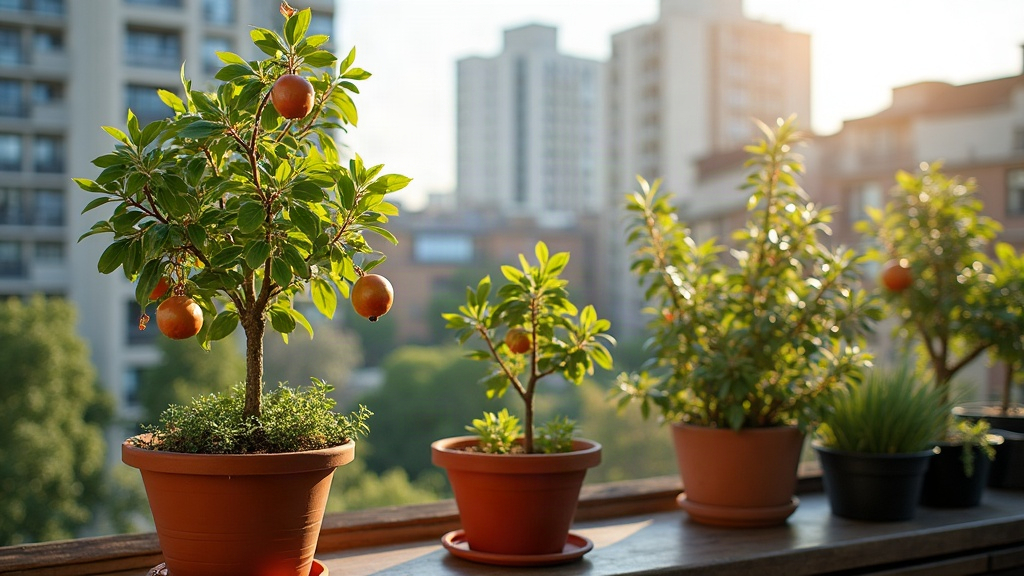
Growing dwarf pomegranate trees in pots on a windy rooftop balcony? Totally doable. These compact, sun-loving shrubs are naturally tough and drought-tolerant, but constant wind means you’ll need to pick the right pot, anchor the plant properly, and tweak your watering and feeding habits. Get those details right, and a rooftop balcony can actually turn into prime real estate for dwarf pomegranates, mostly because most roofs get way more sun than a shaded backyard ever could.
Why Dwarf Pomegranates Work Well on Balconies
Dwarf pomegranate (Punica granatum ‘Nana’ or similar compact cultivars) rarely climbs past 2-4 feet, so it’s basically built for pot life. It shrugs off heat, handles reflected glare bouncing off rooftop surfaces, and rides out short dry spells better than most fruiting trees you’d try in a container. Sun isn’t the issue here. Wind is.
Choosing the Right Pot
Wind changes the whole equation when it comes to picking a container.
- Weight beats looks every time. Go with heavy terracotta, ceramic, or concrete-composite rather than lightweight plastic or resin. A gust that barely rustles the leaves can send a flimsy pot rolling across the roof.
- Wide before tall. A base at least 16-18 inches across gives you a lower center of gravity than some tall, skinny urn that looks nice in photos but tips the second it’s windy.
- Drainage, no excuses. Pomegranates despise soggy roots. Multiple drainage holes, plus pot feet to lift the base slightly so water doesn’t pool against the rooftop surface.
Anchoring Against the Wind
Even a heavy pot can shift during a strong rooftop gust, so build in extra security:
- Cluster 2-3 pots together near a wall or railing. They block wind for each other.
- Drive a low trellis or stake into the pot to brace the trunk through the first couple of years.
- Try sinking the pot slightly inside a larger decorative planter box packed with gravel for extra ballast.
- Got a parapet wall? Put your pots on the leeward side, away from the prevailing wind.
Soil and Watering Adjustments
Wind dries out container soil far quicker than you’d expect, even in a sheltered garden.
- Mix 60% quality potting soil, 20% perlite or pumice, 20% compost. That ratio keeps roots happy without drowning them.
- Check the soil every 1-2 days in summer. Wind pulls moisture out even on a mild 75°F day, not just scorching afternoons.
- Water deeply until it runs out the bottom, then wait until the top 2 inches dry before the next round. These trees handle drought fine, but fruit development needs steady moisture, not feast-or-famine.
- Lay down a 1-2 inch layer of bark or straw mulch to slow evaporation.
Protecting Branches and Blossoms
Spring blossoms and young fruit take the brunt of any wind damage.
- Rig up a temporary windbreak (mesh screen, bamboo panel, shade cloth zip-tied to the railing) during flowering. Take it down once fruit sets if you want.
- Prune lightly each winter. Aim for an open, airy shape instead of a dense, top-heavy canopy that catches wind like a sail and snaps branches.
- Skip the heavy spring fertilizing. It pushes fast, weak growth that wind tears apart in minutes. A balanced slow-release feed is the safer bet.
Sunlight and Temperature on Rooftops
Rooftops tend to run hotter and brighter than ground-level gardens, mostly from reflected heat off the surface.
- Dwarf pomegranates want at least 6 hours of direct sun. Rooftops deliver this without much effort on your part.
- Past 95°F (35°C), shift pots somewhere with afternoon shade, or throw up shade cloth temporarily so the leaves don’t scorch.
- Below 20°F (-6°C) in winter, bring the pot indoors or tuck it near a wall for insulation. Container roots sit far more exposed to cold than roots growing in the ground.
Pollination and Fruiting Tips
Pomegranates mostly self-pollinate, but wind plus a shortage of pollinators way up on a rooftop can cut your fruit set.
- Hand-pollinate with a small, soft brush, dabbing pollen between flowers in the morning when they’re freshest.
- Plant companion flowers like lavender or marigold nearby to lure in whatever bees do make it up that high.
Common Problems to Watch For
- Leaf yellowing: usually overwatering or bad drainage. Check the roots before blaming anything else.
- Pot tipping: add weight at the base, or move the pot closer to a windbreak.
- Fruit drop: nine times out of ten this is inconsistent watering, not the wind itself.
Conclusion
A windy rooftop balcony won’t stop you from growing dwarf pomegranate trees. It just demands a smarter pot, solid anchoring, and a little extra watchfulness around watering and wind protection during flowering season. Get a sturdy pot, good drainage, and a basic windbreak sorted, and you’ll have healthy, fruit-bearing pomegranate trees thriving several stories above street level.