Why Balcony Cilantro Bolts in Early Spring & How to Fix It
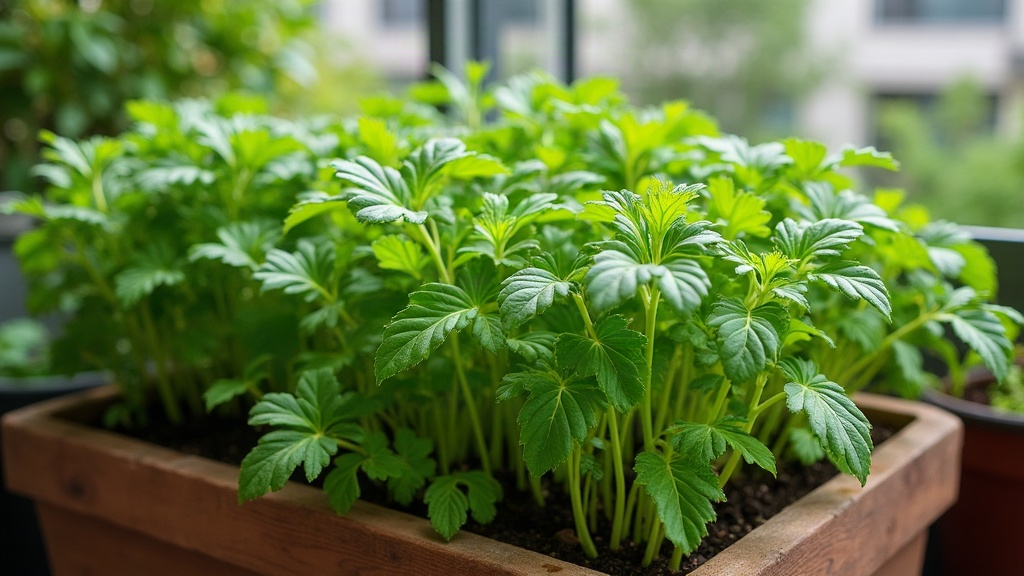
If your balcony cilantro suddenly shoots up a tall stalk, sprouts lacy white flowers, and turns bitter almost overnight in early spring, you’re witnessing bolting. It happens because cilantro is a cool-season herb, and it reacts to warming temperatures and longer daylight by rushing to seed. The good news? A few adjustments to timing, temperature, and pot placement can stretch your harvest a lot longer before this kicks in.
What Is Bolting and Why Does It Happen So Fast in Spring?
Bolting is basically a plant’s panic button. When conditions signal that the growing season is winding down, the plant stops making leaves and dumps its energy into flowers and seeds instead. Cilantro is especially quick to hit that button, since it’s genetically built for cool weather and doesn’t tolerate heat for long.
Two environmental triggers usually cause spring bolting on balconies:
- Temperature swings: Cilantro is happiest between 50–75°F (10–24°C). A sudden warm spell, which is common in early spring, tells the plant that summer heat is on the way. So it rushes to reproduce before things get worse.
- Longer daylight hours: Cilantro is day-length sensitive. Once days stretch past the spring equinox, that shift in photoperiod alone can trigger flowering, even if the temperature stays perfectly mild.
Balconies make things worse. Pots heat up much faster than garden soil, and reflected heat bouncing off walls, railings, or pavement can push root-zone temperatures well above what the thermometer says the air is doing.
Signs Your Cilantro Is About to Bolt
- The central stem suddenly shoots up, thinner and taller than the leaves around it
- Leaves turn feathery and finely divided, a noticeably different shape from the broad lower leaves
- The whole plant starts looking “leggy,” stretched out and sparse
- Leaf flavor turns soapy or bitter as the bolting process moves along
Once flowering kicks off, leaf production basically stops. That’s why catching the early signs matters so much.
How to Extend Your Cilantro Harvest
1. Choose Slow-Bolt Varieties
Not all cilantro behaves the same. Varieties like ‘Calypso’, ‘Santo’, and ‘Slow Bolt’ were bred specifically to resist early flowering, and they can hold out weeks longer than standard cilantro from a grocery-store seed packet.
2. Provide Afternoon Shade
On balconies, especially ones facing south or west, direct afternoon sun piles on heat stress fast. Move your pots somewhere they get morning sun but shade in the afternoon, or rig up a shade cloth (30–50% shade) for the hottest stretch of spring.
3. Keep Roots Cool
- Use light-colored pots that reflect heat instead of soaking it in
- Skip dark plastic containers, they trap heat like little ovens
- Mulch the soil surface with straw or bark to insulate the roots
- Water consistently. Dry soil stresses the plant and speeds bolting along
4. Succession Planting
Skip the one-big-batch approach. Instead, sow a small handful of seeds every 2–3 weeks. When one batch bolts, the next one’s ready to pick, so you get a steady supply running from spring into early summer instead of one short burst.
5. Harvest Strategically
Snip the outer leaves regularly instead of letting the whole plant grow to full maturity. Frequent cutting slows bolting down a bit and pushes the plant to keep making leaves rather than stretching into stem.
6. Pinch Emerging Flower Stalks
See a flower stalk starting to poke up? Cut it off right away. It won’t stop bolting forever, but it can buy you a few more days of usable leaves, sometimes just enough for one more harvest.
What to Do Once It Bolts
Don’t chuck the plant in the compost just yet, bolted cilantro still has plenty going for it:
- Let it flower and go to seed: those seeds are coriander. Use them in cooking or save them for next season’s planting.
- Use the flowers: cilantro flowers are edible and bring a mild, citrusy note to salads.
- Start fresh seeds right away in a cooler, shadier spot so you don’t lose your supply entirely.
Conclusion
Balcony cilantro bolts fast in early spring because of climbing temperatures and lengthening daylight, and both effects get amplified in containers. Pick slow-bolt varieties, manage heat and shade, stagger your plantings, and harvest often, and you’ll stretch the season considerably. And when bolting does happen anyway (it usually does, eventually), you’re not starting from zero. Those seeds and flowers are still worth something.