Self-Watering Planters vs Double Potting for Balcony Ferns
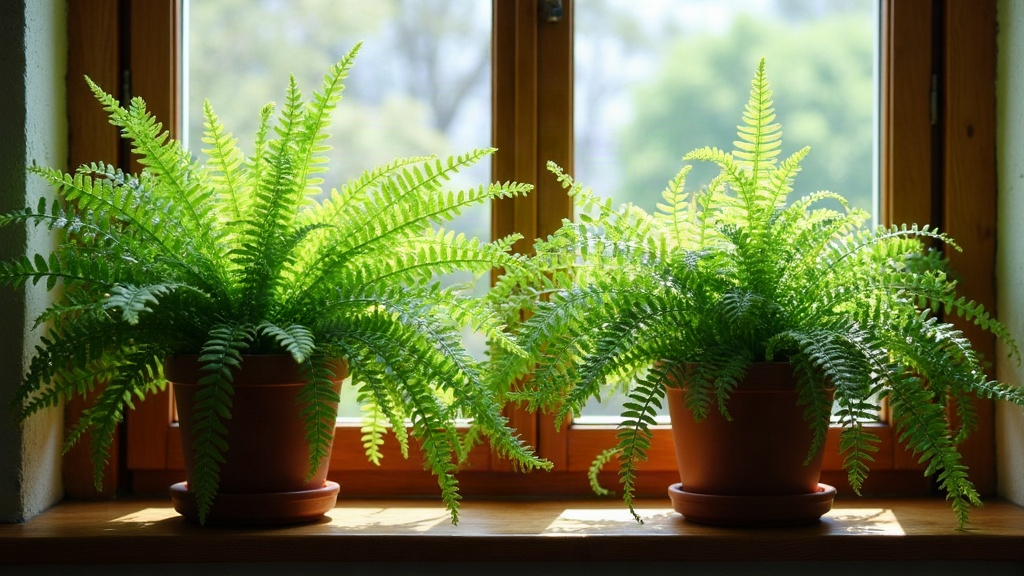
Ferns have a reputation for being needy when it comes to moisture, and balconies (windy, sun-baked, often bone-dry by afternoon) are about the worst place to keep one happy. Two fixes come up again and again among balcony gardeners: self-watering planters and double potting. The first uses a built-in reservoir to feed roots on a schedule you don’t have to think about every day. The second leans on a humidity buffer, basically packing damp material between two nested pots so the air around the fern stays soft and moist. Both actually work. But they’re solving different problems, and which one fits your setup depends on the fern you’re growing, how brutal your balcony’s microclimate is, and honestly, how much fussing you’re willing to do.
How Each Method Works
Self-Watering Planters
These have a water reservoir tucked at the bottom, kept separate from the soil by some kind of wicking system, a fabric wick, a capillary tube, sometimes just a perforated insert. The roots draw water up as they need it, which keeps soil moisture steady between refills instead of swinging from soaked to bone-dry.
- Best for: Boston ferns, maidenhair ferns, and other varieties that sulk the moment they dry out.
- Refill frequency: Every 5 to 10 days, depending on the pot’s size and how hot the week has been.
- Setup cost: $15 to $40 for a decent planter, ideally one with a visible water-level window so you’re not guessing.
Double Potting
Here you slide the fern, still in its plastic nursery pot, into a larger decorative pot, then pack the gap between them with moist sphagnum moss, perlite, or pebbles. As that packing material dries out slowly, it releases moisture and raises the humidity right around the root zone and pot walls, which is exactly what a lot of ferns are actually craving.
- Best for: Ferns that need humid air more than soggy roots, think rabbit’s foot fern or bird’s nest fern.
- Refill frequency: Moisten or mist the packing material every 2 to 4 days.
- Setup cost: Often under $10, assuming you’ve already got two spare pots lying around.
Key Differences That Matter on a Balcony
1. Humidity vs. Root Moisture
Self-watering planters take care of the roots but do almost nothing for the air around the plant. That’s a real problem on a breezy balcony, where dry wind pulls moisture out of the fronds faster than the roots can push it back up. Double potting goes straight after humidity, which makes it the better call when you’re seeing crispy leaf tips even though the soil underneath is perfectly moist.
2. Risk of Overwatering
Self-watering systems can tip into root rot if the wick stays saturated for too long, a genuine risk with something like a Boston fern that wants soil evenly moist, not swampy. Double potting is gentler here: the fern’s actual pot still drains the way it normally would, since only the outer buffer layer is staying damp.
3. Maintenance Time
- Self-watering planters are the better choice if you’re busy: top off the reservoir once a week and forget about it.
- Double potting asks for more hands-on attention, re-wetting the packing material regularly and occasionally giving the foliage a direct misting.
4. Cost and Setup
Double potting can cost basically nothing if you’re just reusing pots already sitting in your storage closet. Self-watering planters take a bit more upfront money, but that one-time cost buys you convenience, which matters a lot if you travel often or, like most of us, sometimes just forget.
5. Aesthetics and Space
Self-watering planters come as one tidy unit, which suits a small balcony where every square foot counts. Double potting needs two pots per plant, so it eats up more space and can look a little clunky unless you pick a nicer-looking outer pot to hide the setup.
Which One Should You Choose?
- Go with a self-watering planter if: your fern tolerates consistently damp soil, you’re away from home a lot, and your balcony gets enough sun or wind to dry out soil fast.
- Go with double potting if: dry air is your real enemy rather than dry soil, you want something cheap, and you don’t mind checking on your plants every couple of days.
- Combine both if: you’re dealing with a fussy species like maidenhair in a genuinely harsh spot, use the self-watering planter for the roots and mist the leaves on top of that to get the humidity benefits of double potting as well.
Quick Comparison Table
| Factor | Self-Watering Planter | Double Potting |
|---|---|---|
| Best for | Root moisture consistency | Ambient humidity |
| Maintenance | Weekly refill | Every 2-4 days |
| Cost | $15-$40 | Under $10 |
| Overwatering risk | Moderate | Low |
| Space needed | Compact | Bulkier |
Final Thoughts
Neither method wins outright, they’re just built for different failure points. If your fern is suffering because the soil dries out too quickly, a self-watering planter takes that worry off your plate. If the leaves are crisping up despite soil that feels perfectly moist, what your fern actually wants is the humidity boost double potting provides. And on the toughest balconies, the ones that seem to fight you no matter what you try, running both methods together usually gets you the stable, humid setup ferns want, without turning watering into a daily chore.