Bottom-Watering Trays vs Misting for Starting Balcony Herb Seeds
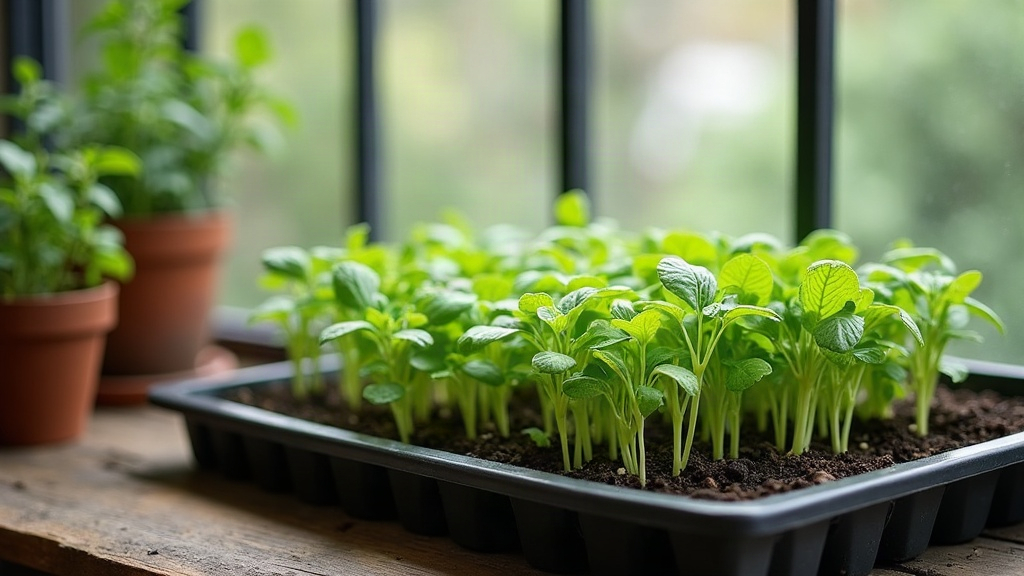
Starting herb seeds indoors before they ever touch your balcony is the smartest way to grab a head start on the season. But here’s the catch: how you water those tiny seedlings can decide whether they live or die before they’ve even got their first real leaf. The two go-to methods, bottom-watering trays and misting, both work. They just solve different problems. Bottom watering wins on consistency and keeps fungal disease at bay. Misting wins on speed and simplicity during those first jittery days. This guide walks through when to use each, and how to stack them together for the best shot at success.
Why Watering Method Matters More Than You Think
Herb seeds like basil, thyme, parsley, and cilantro need steady moisture to sprout, but their hair-thin roots and delicate stems can’t handle swings in either direction:
- Too dry: germination stalls out, or never happens at all, especially with fine seeds like oregano or thyme that sit right at the surface.
- Too wet: damping-off disease moves in. It’s a fungal infection that rots stems right at the soil line and can wipe out a tray of seedlings in a day or two.
Which failure you end up fighting depends a lot on the watering method you pick.
Bottom-Watering Trays: The Steady, Hands-Off Option
Bottom watering means setting your seed-starting containers (ones with drainage holes, obviously) into a tray of water and letting the soil pull moisture upward on its own through capillary action.
How It Works
- Fill a shallow tray with 1/2 to 1 inch of water.
- Set your pots or seed cells into the tray.
- Let the soil soak it up from below for 20-30 minutes.
- Pull the pots once the surface feels moist, and dump any leftover water.
Pros
- Prevents damping-off: the top layer of soil stays drier than the interior, which keeps fungal growth from taking hold. That matters a lot for basil and cilantro, two herbs notorious for rotting at the stem.
- Even moisture distribution: no dry pockets, no soggy corners.
- Less daily fuss: once seedlings are established, watering every 2-3 days is usually plenty.
- Protects fragile seedlings: zero risk of a stream of water knocking over a thin stem.
Cons
- Takes longer to set up, especially if you’ve got four or five trays crowding a balcony windowsill.
- Doesn’t do much for very fine, surface-sown seeds (thyme, for instance) that need moisture right at the top to even germinate.
- You need trays with real drainage holes, and not every starter kit comes with them.
Misting: Fast and Great for the First Few Days
Misting just means spraying the soil surface with a fine spray bottle to keep seeds and the top inch of soil evenly damp.
How It Works
- Sow seeds at the right depth (a lot of herb seeds actually need light exposure and shouldn’t be buried at all).
- Mist the surface once or twice a day until you notice the top starting to dry out.
- Switch over to bottom watering, or a careful pour, once seedlings have their first true leaves.
Pros
- Essential for surface-sown seeds: thyme, oregano, and dill germinate noticeably better with the light and steady surface moisture that misting provides.
- Gentle on freshly planted seeds: no risk of seeds drifting to one side of the pot like they can with a heavier pour.
- Quick and flexible: ideal if your balcony setup is small and you don’t have room for a bunch of trays.
Cons
- Higher damping-off risk if you mist too often and the surface never really dries.
- Needs daily attention, sometimes twice a day if your apartment’s heating dries things out fast.
- It’s surprisingly easy to over- or under-water without realizing it, since misting tells you nothing about how saturated the roots actually are.
Which Should You Choose for Balcony Herb Seeds?
Most growers who’ve been at this a while don’t pick a side. They run both, just at different stages:
- Days 1-5 (germination): Mist lightly to keep the surface damp for seeds that need light to sprout (thyme, oregano, chamomile). For seeds planted a bit deeper, basil, parsley, cilantro, start bottom watering from day one.
- Days 5-14 (seedling stage): Switch almost entirely to bottom watering. Roots are developing now and need steady moisture without a wet surface inviting mold in.
- After transplanting outdoors: Neither method really applies anymore. At this point, balcony pots do best with deep, infrequent watering straight at the soil line.
Quick Comparison Table
| Factor | Bottom Watering | Misting |
|---|---|---|
| Damping-off risk | Low | Higher |
| Best for | Established seedlings | Surface-sown seeds |
| Daily effort | Low (every 2-3 days) | High (1-2x daily) |
| Setup needed | Tray + drainage holes | Spray bottle only |
| Root development | Encourages deep roots | Minimal effect |
Common Mistakes to Avoid
- Leaving pots sitting in standing water too long after bottom watering. That suffocates roots and practically invites rot.
- Misting too heavily, which turns a fine mist into actual puddles on the soil.
- Using cold tap water straight from the faucet. Room-temperature water germinates faster and shocks the seeds less.
- Skipping drainage holes. Bottom watering simply doesn’t work without them, no matter how long you leave the tray.
Final Verdict
For starting herb seeds on a balcony, bottom-watering trays are the safer bet long-term, particularly for dodging damping-off and building strong roots. Still, misting earns its keep for those first critical days with surface-sown, light-hungry seeds. The real trick isn’t committing to one method forever. It’s misting to get things going, then switching to bottom watering the moment true leaves show up. That hybrid approach gets you the fastest germination with the least risk of losing a tray to rot, and it sets your balcony herb garden up for a season that actually produces something.