Best Hardneck Garlic Varieties for Fall Container Planting
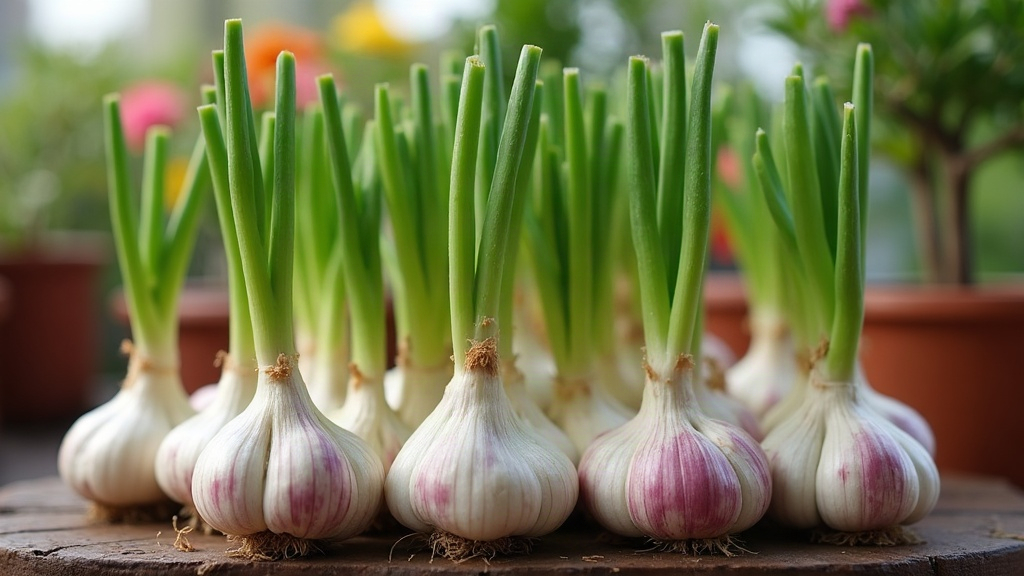
If you live somewhere winters actually bite, fall is your window for planting hardneck garlic, and the good news is it does just fine in pots. Hardneck types are the right call for cold climates because they need a real winter chill (vernalization) to bulb up properly, they shrug off hard freezes, and as a bonus you get edible scapes in early summer. Here’s a rundown of the best hardneck varieties for container growing, plus how to get them planted and keep them alive through the cold months.
Why Hardneck Garlic Is Best for Cold Climates
Hardneck garlic (Allium sativum var. ophioscorodon) grows a stiff central stalk topped with a curly flower stem called a scape. Compared to softneck garlic, hardnecks:
- Tolerate temperatures down to -20°F (-29°C) or lower once they’re established
- Need 6-10 weeks of cold dormancy below 40°F to form proper cloves
- Produce fewer but larger cloves, which honestly makes peeling a lot less annoying
- Bring bolder, more complex flavor to the table
- Give you scapes, a bonus spring harvest weeks before the bulbs are even ready
That combination makes hardnecks a natural fit for USDA zones 3-6. And containers mean gardeners stuck with rocky, clay-heavy, or just plain bad native soil can grow garlic just as well as someone with perfect raised beds.
Top Hardneck Varieties for Fall Container Planting
1. German Extra Hardy (Porcelain)
One of the most dependable cold-climate performers out there. Expect 4-6 large cloves per bulb with a rich, robust flavor. It shrugs off deep freezes and stores for 6-8 months, which makes it a smart pick if you’ve never grown garlic before.
2. Music (Porcelain)
Home gardeners love this one for the sheer size of the bulbs and how consistently large and easy-to-peel the cloves turn out. Flavor runs mild-to-medium with a clean, savory finish. Deep freezes don’t faze it.
3. Chesnok Red (Purple Stripe)
Gorgeous reddish-purple wrappers, and the flavor turns sweet once roasted. It does well in containers, but only if drainage is genuinely excellent. Purple Stripe types hate sitting in wet roots, so don’t skimp on drainage holes.
4. Spanish Roja (Rocambole)
Chefs reach for this one because it delivers that classic, “this is what garlic should taste like” punch. Rocamboles handle cold extremely well, but they don’t keep long, only 4-5 months in storage. So plan to use this harvest relatively quickly rather than stockpiling it.
5. Georgian Crystal (Porcelain)
A vigorous, cold-tough grower with a pleasant, slightly spicy bite. You get fewer cloves per bulb, but each one is noticeably large, which makes cooking with it satisfying rather than fiddly.
How to Plant Hardneck Garlic in Containers
Timing: Get cloves in the ground (well, pot) 2-4 weeks before your area’s typical ground-freeze date, usually mid-to-late October if you’re in zones 3-5.
Container size: Go at least 12 inches deep and 14+ inches wide. Depth matters more than width here, since garlic roots push straight down rather than spreading out.
Soil mix: A well-draining potting mix amended with compost works best. Skip heavy garden soil in containers; it compacts fast and holds too much moisture, which garlic doesn’t tolerate well.
Planting steps:
- Break the bulb into individual cloves right before planting. Leave the papery skins on, don’t peel them.
- Plant cloves pointy-end up, about 2 inches deep.
- Space cloves 4-6 inches apart. A 14-inch pot will typically hold 4-5 cloves comfortably.
- Water well right after planting, then let the soil dry out a bit before winter really sets in.
Winter Care for Container-Grown Garlic
Pots freeze faster than garden soil because cold hits them from every side, not just the top. So a bit of extra insulation goes a long way:
- Pile on 3-4 inches of straw or shredded leaf mulch over the soil surface.
- Cluster pots together near a house foundation or wall; that little microclimate buffers against temperature swings.
- Once hard freezes hit, wrap containers in burlap or bubble wrap, or move them into an unheated garage or shed. Unheated is the key word, the garlic still needs cold exposure, just not a deep freeze with no relief.
- Keep pots off standing water or ice. That’s one of the fastest ways to rot your cloves before spring even arrives.
Come spring, pull back the mulch once you see green shoots poking through, and get back to a normal watering routine.
Common Questions
Can I use a 5-gallon bucket? Sure, as long as you drill several drainage holes in the bottom first. Standing water is, hands down, the number one cause of rot in container-grown garlic.
Do containers need fertilizer? Yes. Feed with a balanced organic fertilizer in early spring once growth kicks back in, then again when scapes start to form.
When do I harvest? Most hardnecks are ready in early-to-mid summer, roughly 8-9 months after you planted in fall, once the bottom 3-4 leaves have browned off.
Conclusion
Growing hardneck garlic in containers might be one of the lowest-effort, highest-reward projects for a cold-climate gardener. No raised beds, no perfect soil, just a decent pot and some patience. Varieties like German Extra Hardy, Music, and Chesnok Red have proven themselves season after season as cold-hardy, generous producers that also hand you a free scape harvest along the way. Plant in fall, insulate properly through the cold months, and by midsummer you’ll be pulling your own garlic out of a pot on the patio.