Growing Perennial Sorrel in Shaded Window Boxes: Beginner Guide
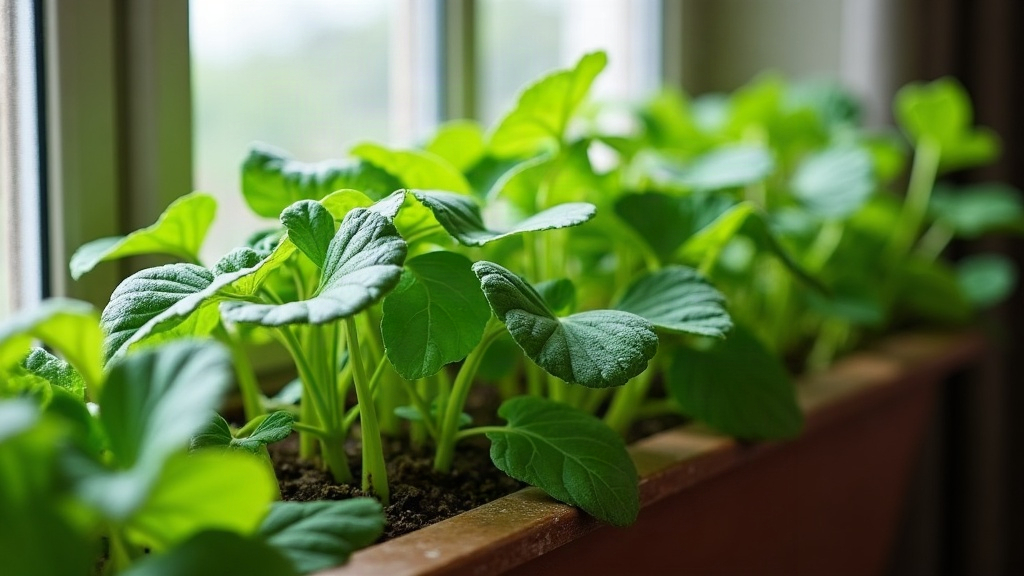
Why Sorrel Works So Well in Shade
Most culinary herbs are sun hogs, demanding six-plus hours of direct light before they’ll do anything worthwhile. Sorrel (Rumex acetosa, also called garden sorrel or common sorrel) is different. It evolved along woodland edges, tucked under tree canopies, which means dappled light and cooler air actually suit it fine. That’s good news if your window box sits on a north or east wall and gets more shadow than sun.
A few reasons shade growers get lucky with this one:
- It’ll get by on 3-4 hours of indirect or filtered light a day
- It prefers things cool, somewhere between 60-75°F (15-24°C), so it won’t sulk the way heat-loving herbs do in a baking box
- It’s hardy from USDA zones 3 through 9 and comes back every year, so one planting can feed you for seasons
- Leaves stay tender and less bitter when they’re spared the worst of the afternoon sun
Choosing the Right Sorrel Variety
Container growing isn’t a one-size-fits-all deal, and sorrel is no exception.
- French sorrel (Rumex scutatus): smaller, shield-shaped leaves, a milder lemon bite. This is the one that fits neatly into a compact window box.
- Common garden sorrel (Rumex acetosa): bigger, more vigorous, and noticeably sharper on the tongue.
- Red-veined sorrel (Rumex sanguineus): grown as much for looks as flavor, thanks to its striking red veining. A nice bonus if you want something decorative that’s also edible.
If this is your first run at growing sorrel in shade, go with French sorrel. It stays compact and resists bolting longer in cool, low-light conditions, which means less fuss for you.
Setting Up Your Window Box
Soil Mix
Sorrel wants rich, moisture-holding soil on the acidic side, somewhere around pH 5.5-6.8. Here’s a mix that works well:
- 2 parts good potting soil
- 1 part compost or well-rotted manure
- 1 part perlite or coarse sand, for drainage
Container Requirements
- Go at least 8 inches (20 cm) deep. Sorrel develops a taproot-like system and shallow pots will stunt it.
- Drainage holes aren’t optional. Sorrel roots sitting in water will rot, full stop.
- If you’re sowing several plants, give them 6-8 inches of elbow room each.
Light Positioning
Aim for morning sun or bright, filtered light rather than the harsh glare of late afternoon. A north-facing sill catching reflected light, or an east-facing window, is about as good as it gets for this plant.
Planting: Seeds vs. Transplants
Nursery starts get you to harvest faster, but seeds cost almost nothing and work just as reliably if you’re patient.
- From seed: sow about ¼ inch deep, keep the soil consistently damp. Expect germination in 7-14 days at around 65-70°F.
- From transplant: set it at the same depth it was growing in the nursery pot, water it in thoroughly, and you should see fresh growth within a week.
Watering and Feeding
- Keep the soil evenly moist. Sorrel’s broad leaves transpire quickly, and the plant wilts fast if you let it dry out.
- Check before you water: stick a finger in, and if the top inch feels dry, go ahead. Shaded boxes hold moisture longer than sunny ones, so overwatering is the more common mistake here.
- Feed once a month with a diluted balanced liquid fertilizer, or compost tea if you prefer going that route, during the active growing months of spring and early summer.
Ongoing Care
- Snip off flower stalks the moment you spot them. Once a sorrel plant bolts, the leaves turn bitter and the plant shifts its energy away from foliage.
- Divide clumps every 2-3 years in early spring. It keeps the plant from getting woody and tired.
- Mulch lightly with compost in the fall if you’re in a colder zone, just enough to protect the roots over winter.
- Watch for leaf miners. They’re the most common pest sorrel deals with. Pull off and toss any affected leaves as soon as you notice the telltale tunneling.
Harvesting Tips
- Wait until a plant has 6-8 mature leaves before you start picking.
- Take the outer leaves first, cutting right at the base, and leave the center intact so it keeps producing.
- Harvest every 1-2 weeks. Regular picking encourages tender new growth and pushes back flowering.
- Young leaves taste milder and work well raw; older, tangier leaves are better off cooked.
Common Beginner Mistakes
- Sticking the box in full sun, which scorches the leaves and makes them bitter
- Letting the soil dry out completely between waterings
- Ignoring flower stalks until the plant has already bolted, cutting your harvest short
- Using a container that’s too shallow, which chokes off root development
Conclusion
Sorrel is about as forgiving as herbs get, and it actually prefers the kind of low light that frustrates most other plants in a window box. Give it decent soil, keep the moisture steady, and harvest it often, and you’ll have fresh, lemony greens coming back year after year, with barely any fuss on your end. Even if you’ve never grown anything before, this is one plant that makes you look like you know what you’re doing.