Best Dwarf Conifer Varieties for Winter Interest in North-Facing Pots
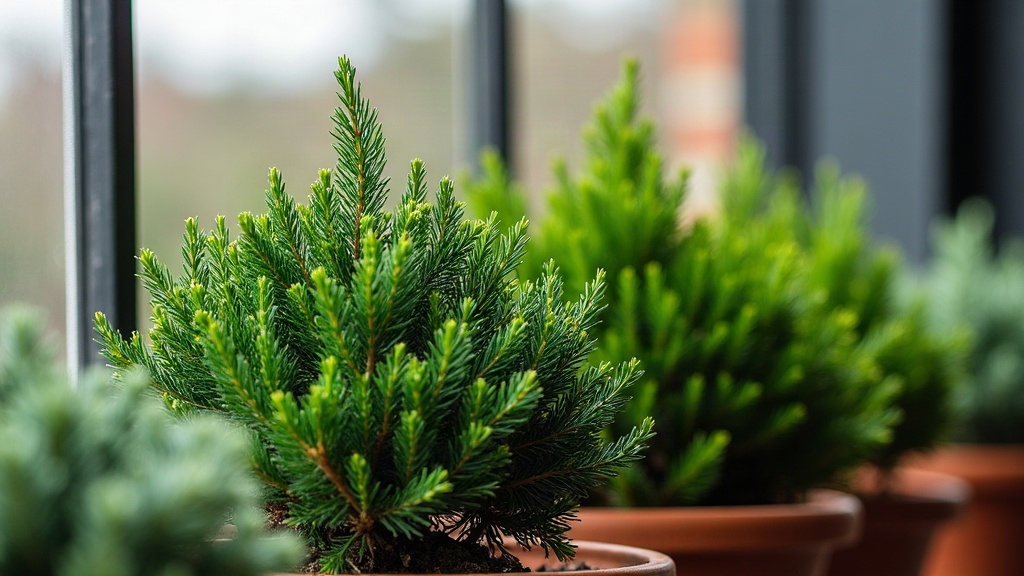
If your balcony faces north and you’re tired of everything turning brown the second the temperature drops, dwarf conifers might be the answer you haven’t tried yet. They’re built for shade and part-shade, shrug off the cold, and quite a few varieties actually get more colorful once winter sets in instead of fading like everything else. Below: the best dwarf conifer varieties for winter interest, why they’re a natural match for north-facing pots, and how to keep them alive and looking good through the coldest stretch of the year.
Why North-Facing Balconies Are Actually Great for Conifers
A north-facing balcony gets little to no direct sun, which kills off most flowering plants but suits conifers just fine. Think about where most dwarf conifers originally come from: forest understories, mountain slopes, places with indirect light and plenty of cold. That’s basically their comfort zone. There’s a bonus too. Less sun means the soil in your pots doesn’t swing wildly between warm and cold, and that steadiness matters. Freeze-thaw cycles are brutal on container roots, and they’re one of the quiet, most common ways potted plants die over winter.
Top Dwarf Conifer Varieties for Winter Color and Structure
1. Dwarf Alberta Spruce (Picea glauca ‘Conica’)
The classic cone shape you picture when someone says “little Christmas tree.” Stays compact, roughly 2 to 4 feet in a pot, and keeps its dense, soft green needles all winter long. Handles part shade without complaint and gives you that neat, sculpted look without any pruning effort on your part.
2. Blue Star Juniper (Juniperus squamata ‘Blue Star’)
Low, mounding, and silvery-blue in a way that somehow looks even better against a flat gray winter sky. It’s slow-growing, doesn’t need much water once it settles in, and tolerates light shade far better than most junipers, which usually demand full sun.
3. Golden Mop Cypress (Chamaecyparis pisifera ‘Golden Mop’)
Everything else outside is muted and gray, and then there’s this thread-leaf cypress turning warm gold-bronze in the cold. It likes some light, sure, but it copes with north exposure better than the sun-hungry conifers do, especially if your balcony catches a bit of morning light.
4. Dwarf Norway Spruce (Picea abies ‘Little Gem’)
A tiny nest-shaped spruce, under 12 inches, perfect for a small pot or tucked into a mixed container arrangement. The dense form catches and holds snow in a way that looks almost deliberate, and it adds nice textural contrast next to leafier plants.
5. Hinoki Cypress ‘Nana Gracilis’ (Chamaecyparis obtusa)
Glossy, dark green, shell-shaped foliage that looks almost hand-sculpted, bonsai-adjacent in feel. It’s a slow grower, handles shade with ease, and is cold-hardy all the way down to USDA zone 4, so a bad winter isn’t going to faze it.
6. Blue Rug Juniper (Juniperus horizontalis ‘Wiltonii’)
Want something trailing over the edge of a rail planter? This one keeps its steel-blue color all year and is close to indestructible in cold, shaded spots. About as low-maintenance as conifers get.
Choosing the Right Pot and Soil
- Pot material matters: Frost-proof glazed ceramic, fiberglass, or thick plastic hold up far better through freeze-thaw cycles than thin terracotta, which tends to crack after a season or two.
- Drainage is non-negotiable: Go for pots with generous drainage holes and add a layer of gravel or broken pottery shards at the bottom.
- Soil mix: A well-draining potting mix cut with perlite or pumice, roughly 70/30, keeps roots from sitting in water. Waterlogged soil is honestly the number one killer of container conifers in winter.
- Size up: Pick a pot that’s 2 to 3 inches wider than the root ball. More soil volume insulates roots and slows down temperature swings, which is exactly what you want when it’s freezing outside.
Winter Care Tips for Potted Conifers
- Water sparingly, but don’t let the soil go bone dry. Conifers keep losing moisture through their needles even in winter, so check the soil every 1 to 2 weeks and adjust as needed.
- Wrap the pots in burlap or bubble wrap if you’re in zone 5 or colder. It’s the pot, not the plant, that’s usually more vulnerable to extreme cold.
- Skip the fertilizer in fall and winter. Save feeding for spring. Fertilizing now pushes out tender new growth that frost will just kill anyway.
- Mind the wind. North-facing balconies can turn into wind tunnels. Cluster your pots together or set up a simple windbreak to cut down on moisture loss.
- Lift pots off the ground with pot feet or a couple of bricks so drainage holes don’t clog with ice or standing water.
Common Mistakes to Avoid
- Planting sun-craving dwarf conifers, most dwarf pines fall into this trap, only to watch them stretch out leggy and pale from lack of light.
- Sticking with terracotta pots that split the first hard freeze.
- Overwatering once temperatures drop, which is a fast track to root rot.
- Ignoring mature size. “Dwarf” doesn’t always mean small forever, so check the growth specs even for cultivars marketed as compact.
Final Thoughts
A north-facing balcony doesn’t have to sit there looking dead all winter. Blue Star Juniper, Golden Mop Cypress, Dwarf Alberta Spruce, any of these bring structure, color, and texture right when your outdoor space needs it most. Match the right variety with a frost-resistant pot, soil that actually drains, and a sensible watering routine, and you end up with a balcony that looks cared for and alive all year round, not just when the weather cooperates.